
Practical tips for community landlords on preparing for student tenants. Keep rentals smooth and stress-free throughout every school year in the Philippines.
Every school year in the Philippines brings a new wave of students searching for places to stay, from dorms and apartments to boarding houses run by community landlords. Whether it’s the first or second semester, this cycle means fresh move-ins, returning tenants, and plenty of adjustments for both sides.
For landlords, this season isn’t just about filling rooms; it’s about welcoming young tenants (often living away from home for the first time), creating a safe space, and keeping rentals smooth and stress-free.
This guide shares practical tips that community landlords can use at the start of every semester (or anytime new students move in) to keep things organized and tenant-friendly year-round.

Why Student Tenants Are Key to Community Rentals
Student tenants drive much of the demand in rental communities around major university hubs such as Manila, Cebu, Davao, Iloilo, Baguio, Dumaguete, and more.
They look for affordable, safe, and convenient housing near their schools, often with parents helping make the final choice. This steady demand is a huge opportunity for landlords. But it also comes with unique challenges:
- Frequent move-ins and move-outs
- First-time renters adjusting to independence
- Shared living spaces that need clear rules
- Families concerned about safety and security
By preparing ahead and setting up simple systems, community landlords can reduce stress, build good relationships, and earn a positive reputation that keeps students coming back each year.
Step 1: Keep Units Move-In Ready
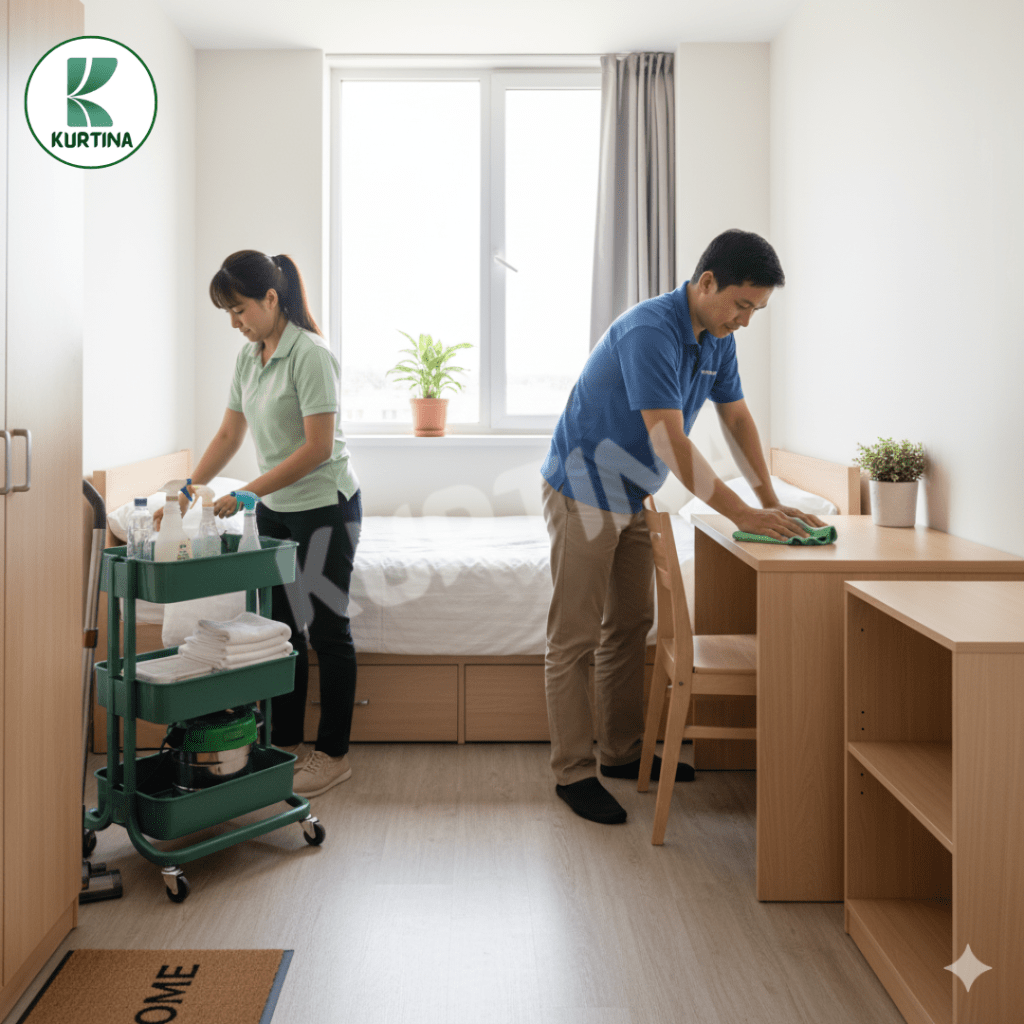
First impressions matter. Students and their parents will compare several rentals before making a decision.
- Do a check-up: Test locks, windows, faucets, lights, and toilets. Fix issues right away.
- Clean thoroughly: A freshly cleaned unit signals care and professionalism.
- Add small touches: Affordable upgrades like curtains, good lighting, or sturdy handles make rooms more inviting.
Showcase these improvements in your ads and listings. Parents notice these!
Step 2: Set Clear, Friendly House Rules
Students often rent for the first time, so they’ll need guidance. House rules prevent problems before they start.
- Put rules in writing: cover quiet hours, visitor policies, cleaning duties for shared spaces, and rent deadlines.
- Go over the rules during orientation or contract signing.
- Stay approachable. Balance firmness with understanding.
Step 3: Simplify Rental Agreements
Rental agreements should protect both parties while being easy to understand.
- Clearly state rent amount, due dates, and payment methods
- Include policies for deposits, shared utilities, and repairs
- Give each tenant a signed copy
With the KURTINA App, community landlords can generate customizable, ready-to-use agreements. Clear and professional without the legal jargon.
Step 4: Make Rent Collection Stress-Free
Rent collection can sometimes be tricky, especially with students adjusting to budgeting.
- Offer flexible payment channels: cash, bank transfers, e-wallets like GCash or Maya
- Send gentle reminders before deadlines
- Stay consistent; fairness builds trust
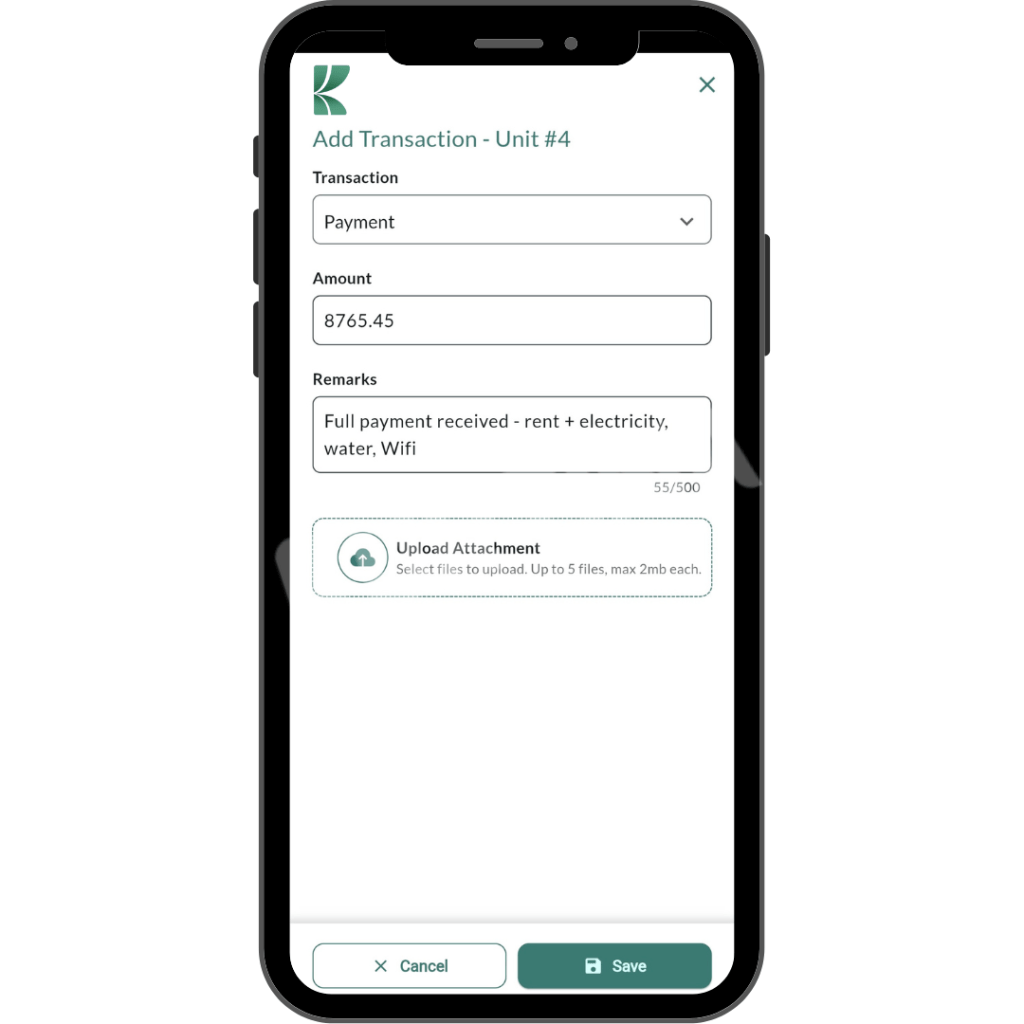
With KURTINA App’s billing and reporting features, community landlords can easily log tenant payments. Just use the ‘Add Transaction’ option to record amounts, add notes for breakdowns, and even upload receipts or screenshots for clear documentation, all without drowning in paperwork.
Step 5: Prioritize Safety and Comfort
Parents usually have the final say in choosing rentals. Highlighting safety and comfort gives peace of mind.
- Install good lighting in common areas and hallways
- Ensure strong locks on all entry points
- Provide basic safety tools like fire extinguishers or emergency lights
Small but visible upgrades show that you value tenants’ well-being.
Step 6: Build Trust Through Communication
Good communication keeps tenants happy and reduces misunderstandings.
- Share your contact details and response hours
- Acknowledge repair requests quickly
- Follow through on inspections or promises
Positive word-of-mouth spreads fast in student circles — one happy tenant can easily bring in the next batch of boarders.
Step 7: Use Tools to Stay Organized
Managing multiple tenants across semesters can overwhelm any landlord. Digital tools can make the difference.
KURTINA was designed with community landlords in mind:
- Track tenants and rental agreements in one place
- Generate billing reports with just a few clicks
- Handle maintenance requests more smoothly
Less paperwork, more peace of mind, so you can focus on being the approachable, reliable landlord your tenants appreciate.
Final Thoughts
For community landlords in the Philippines, preparing for student tenants isn’t just a once-a-year task. It’s an ongoing cycle every semester.
By keeping units ready, setting clear rules, maintaining good communication, and using tools like the KURTINA Tenant Management App, you can create a welcoming, well-managed space where students thrive.
👉 Ready to simplify property management and give your tenants a better rental experience?

💡 Want more practical tips and guides? Explore our other helpful resources from our KURTINA Blog page.
 KURTINA PH
Leave a comment