
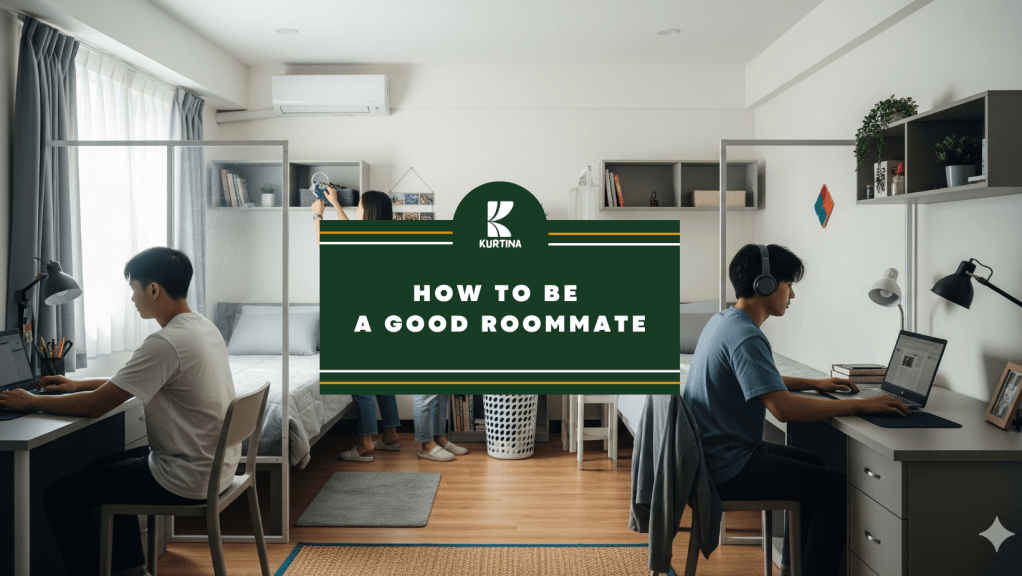
Learn essential boarding house etiquette and tips to be a good roommate. Create a peaceful shared living experience with these practical habits.
Living in a boarding house or shared rental is part of life for many students and young professionals in the Philippines. It’s budget-friendly, practical, and often the first step to independence. But with shared spaces also come challenges, such as adjusting to other people’s habits, boundaries, and schedules.
That’s where boarding house etiquette comes in. By following simple, respectful practices, you can make life smoother for yourself and your roommates. Here are essential tips to help you be a good roommate and create a stress-free living environment.
1. Respect Shared Spaces
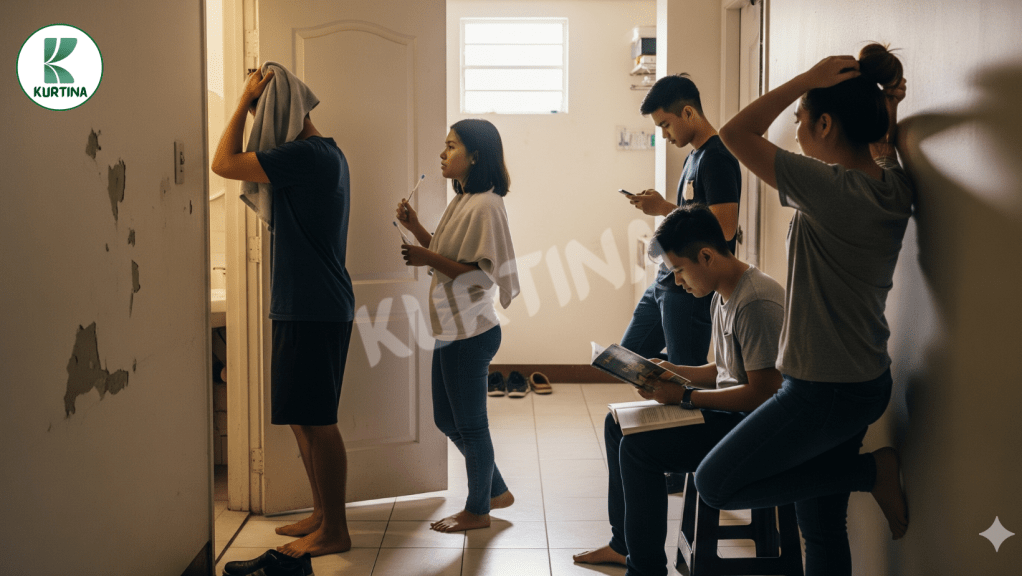
The kitchen, bathroom, and living room are common conflict zones in a boarding house. Always clean up after yourself and avoid leaving dishes, laundry, or clutter behind. Keep showers short during peak hours and be mindful of noise when using shared areas.
When everyone contributes to keeping spaces tidy, the boarding house feels more like home and less like chaos.
2. Use Utilities Fairly
Electricity, water, and Wi-Fi are often shared equally. Be considerate:
- Turn off lights, fans, or aircon when not in use.
- Keep showers efficient to save water.
- Avoid hogging Wi-Fi for gaming or streaming when others need it for school or work.
If your landlord uses the KURTINA app, bills and rent can be tracked easily, keeping expenses transparent and stress-free.
3. Keep Noise Levels in Check
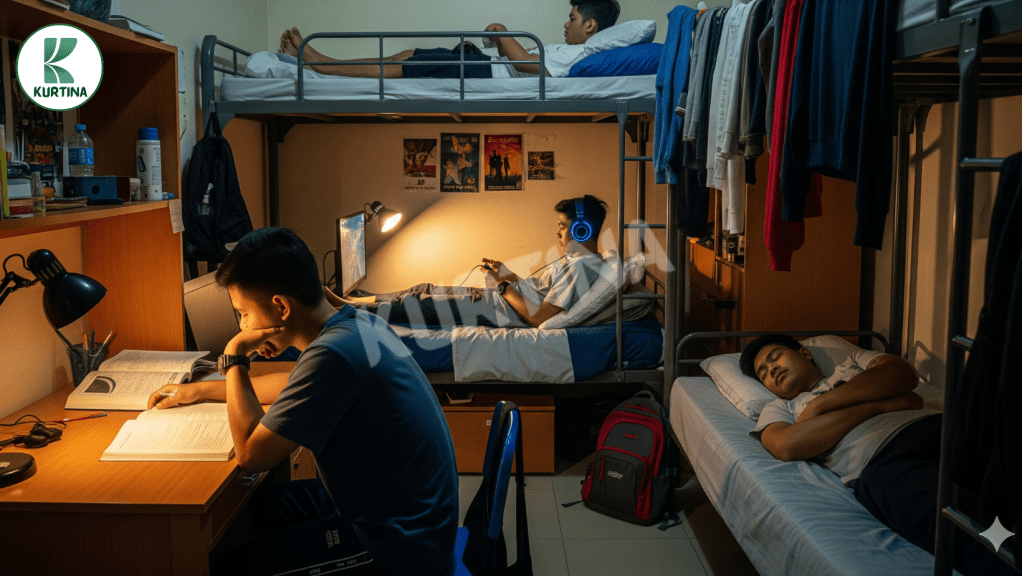
Respect “quiet hours” at night or during exams and deadlines. Use headphones for music, keep conversations at a reasonable volume, and let your roommates know if you’re having visitors. Small acts of consideration prevent unnecessary tension.
4. Be Clear About Shared Expenses

Money issues can quickly sour relationships. If you share groceries, cleaning supplies, or utilities:
- Agree early on how to split costs.
- Keep receipts for transparency.
- Use digital tools like KURTINA‘s billing and report generation features to stay organized.
Clarity prevents resentment and keeps everyone on the same page.
5. Respect Privacy and Boundaries
Sharing a room doesn’t mean sharing everything. Knock before entering, don’t borrow without asking, and respect your roommate’s study or rest time. Treating boundaries seriously builds trust and avoids conflict.
6. Handle Conflicts Calmly

Arguments happen, but they don’t need to ruin the living environment. Address issues openly and respectfully instead of leaving passive-aggressive notes or gossiping. Suggest solutions and focus on compromise.
7. Be Courteous With Food
Food can be a sensitive issue in shared housing. Always label personal items and don’t take food without permission. If sharing groceries, stick to the agreed list. A small gesture—like offering to share snacks—goes a long way toward building goodwill.
8. Share Cleaning Duties
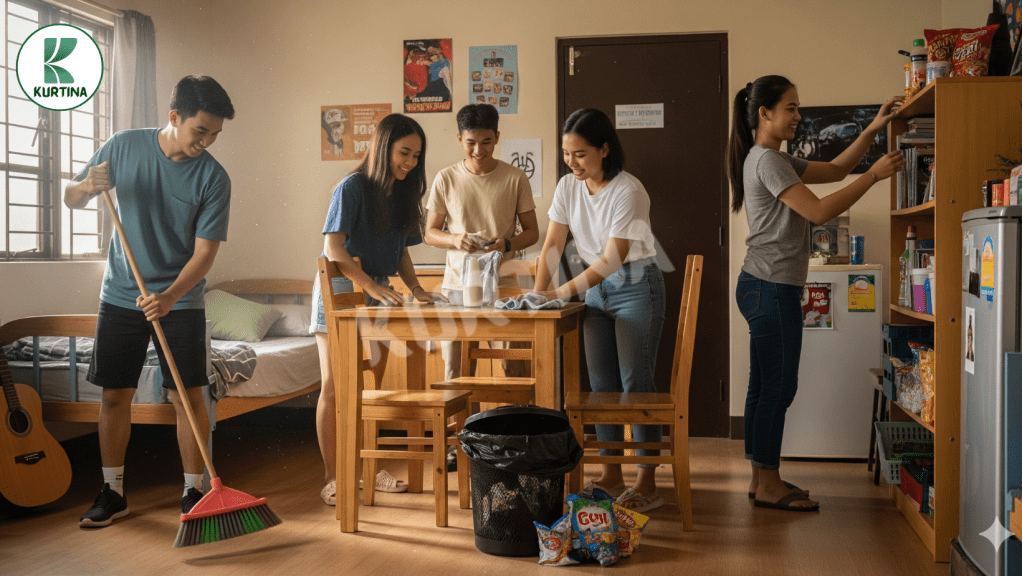
No one likes living with someone who never helps out. Rotate chores like sweeping, mopping, or taking out the trash. A simple cleaning schedule ensures fairness and keeps your boarding house livable.
9. Manage Guests Responsibly
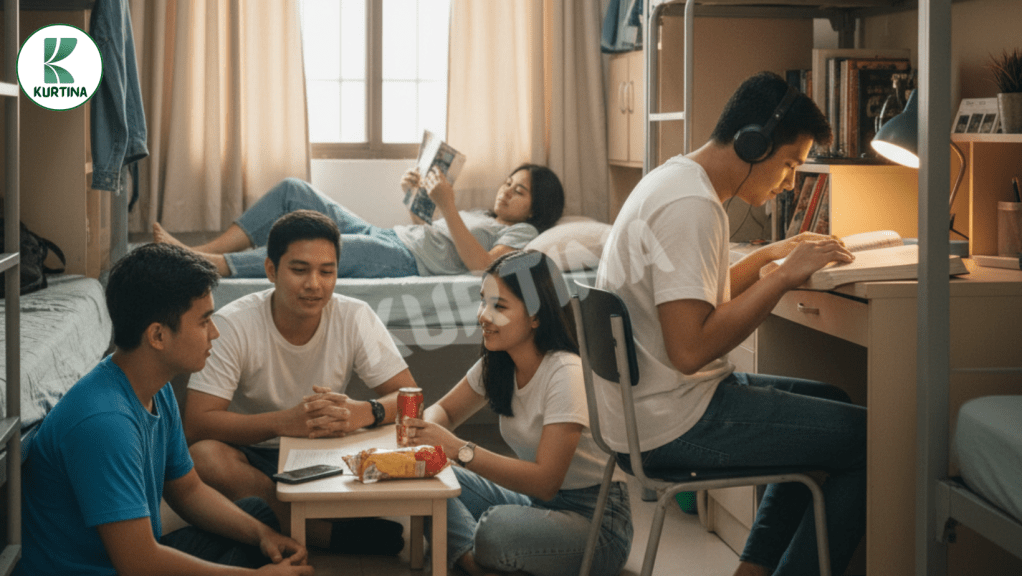
Having friends over is fine, but respect your roommates’ comfort. Keep visits small, within agreed hours, and make sure your guests follow house rules. Remember, it’s a shared home, not a party spot.
10. Build Positive Relationships
Good etiquette isn’t just about avoiding conflicts—it’s also about making boarding house life more enjoyable. Share meals occasionally, celebrate birthdays, or offer help during stressful times. You don’t need to be best friends, but a little kindness creates a more supportive home.
Why Boarding House Etiquette Matters

Shared living teaches patience, responsibility, and communication—skills that benefit you beyond your rental years. With good etiquette, your boarding house becomes more than a place to sleep—it becomes a safe and respectful space where everyone thrives.
Final Thoughts
Boarding house etiquette may sound simple, but these everyday habits—cleaning up, respecting privacy, and sharing fairly—make all the difference in shared living. When everyone is considerate, life in a boarding house can be affordable, harmonious, and even memorable.
And if you want an easier way to manage rent, utilities, and expenses, try KURTINA. It’s the simple, stress-free app that helps landlords and tenants stay organized.
👉 Download the KURTINA App today and enjoy a smoother, smarter boarding house experience.
 KURTINA PH
Leave a comment