
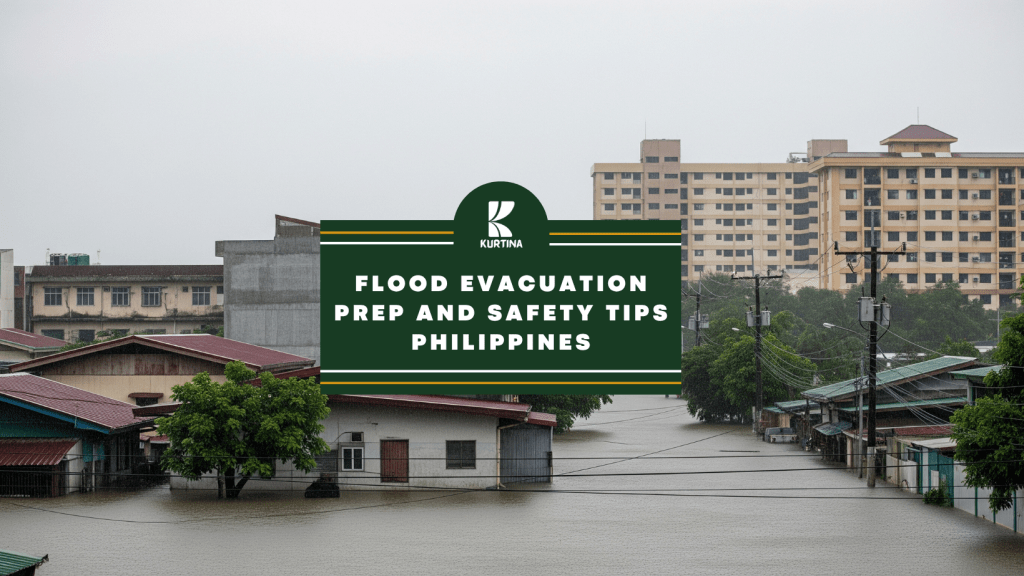
Flooding is no stranger to the Philippines, especially during the typhoon season.
Whether you’re living in a dorm, boarding house, apartment, or rented room, knowing how to prepare for possible evacuation can make all the difference.
At KURTINA, we want renters and landlords alike to stay safe, informed, and ready—rain or shine.
Here’s a practical and manageable guide to help you prepare before, during, and after a flood-related evacuation.
Before the Flood: What You Should Do While It’s Still Dry
Preparation is key. Here’s what you can do even before heavy rain starts pouring:
1. Know Your Area’s Risk Level

- Check if your location is flood-prone through the NOAH (Nationwide Operational Assessment of Hazards) or PAGASA websites.
- Talk to your landlord or neighbors about past flood experiences.
- Identify the nearest evacuation centers or higher ground you can go to.
2. Make a “Go Bag”
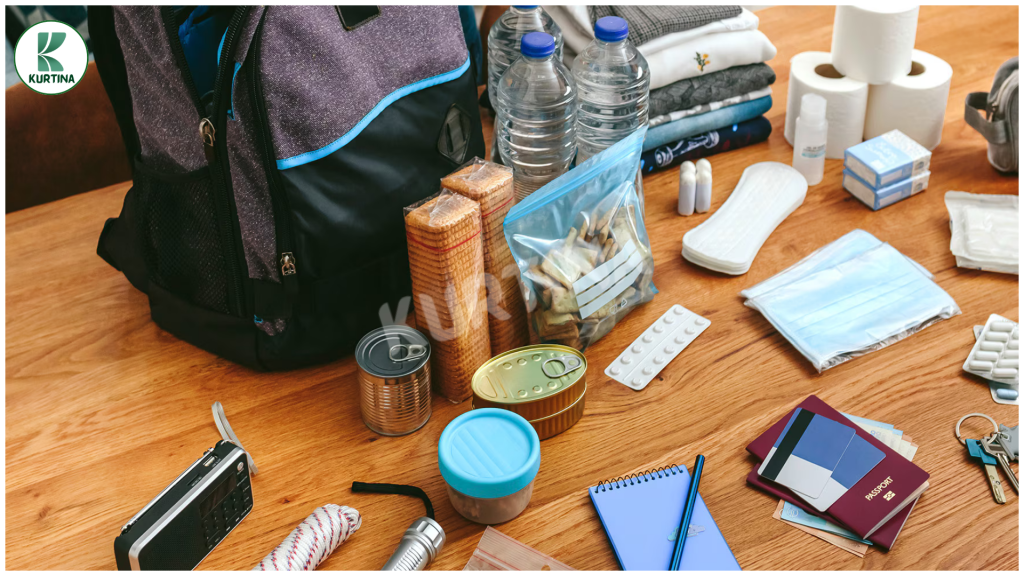
Have an emergency bag that you can grab quickly. Keep it in an easy-to-reach place. It should include:
- Valid IDs (or photocopies) and important documents in a waterproof envelope
- Face masks, alcohol, basic first aid kit
- Flashlight and extra batteries
- Power bank for your phone
- Bottled water and canned goods or energy bars (good for 2–3 days)
- Extra clothes, underwear, slippers
- Emergency cash (in small bills)
- Whistle (to signal for help)
✅ Tip: If you live in a shared space, label your bag clearly and make sure your roommates know where it is stored.
3. Secure Your Belongings
- Store valuables (laptops, documents, electronics) in plastic bins or airtight bags.
- Place appliances on higher furniture if flooding is likely.
- Back up important files in the cloud or on a USB drive.
4. Create a Communication Plan

- Inform family or friends where you live.
- Agree on a group chat or emergency contact point.
- Know the emergency hotlines:
- Barangay Office
- LGU/DRRMO (Disaster Risk Reduction and Management Office)
- NDRRMC (National Disaster Risk Reduction and Management Council) Hotline: 8911-1406 / 8912 2665 / 8912 5668 / 8912 3046
When Heavy Rain Starts: Stay Alert and Get Ready
Once it starts raining continuously for hours or days, pay close attention to updates:
1. Monitor the Weather
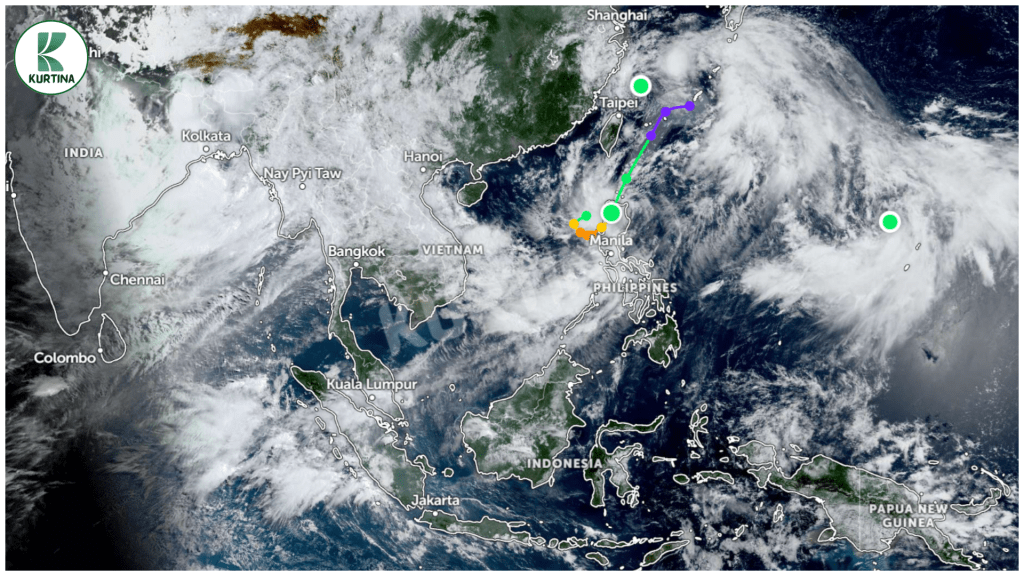
- Follow trusted sources like PAGASA, NDRRMC, or your LGU’s official Facebook page.
- Don’t rely on viral posts. Check official advisories!
2. Charge Your Devices

- Power up your phone, power bank, flashlights, and rechargeable radios.
- Reduce screen time to conserve battery.
3. Fill Up

- Store clean water in bottles, pails, and containers.
- Cook rice or easy-to-reheat food in case power is cut.
4. Stay Indoors but Ready
- Avoid walking through floodwater. It can carry bacteria or sharp debris.
- Double-check your go bag and documents.
- Wear sturdy footwear and weather-appropriate clothing just in case you need to move quickly.
If You Need to Evacuate: Stay Calm, Stay Smart
When authorities say it’s time to leave, don’t delay. Evacuation is for your safety.
1. Move Fast but Stay Calm
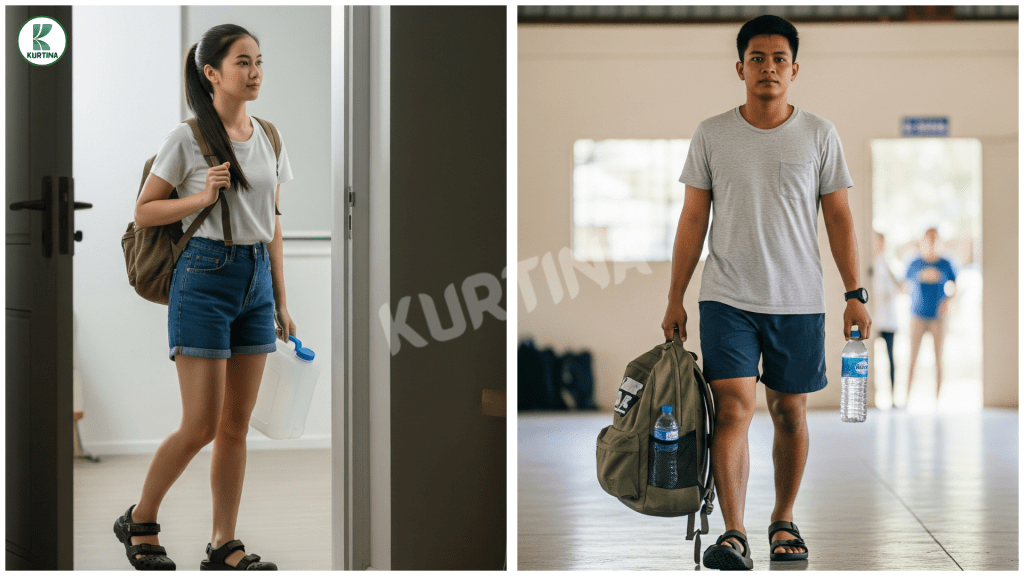
- Bring only what you need—your go bag, phone, and essentials.
- Turn off electricity and water before leaving if possible.
- Use stairs, not elevators, if you live in a multi-story building.
2. Stick Together
- Don’t go alone. If you live with others, coordinate your movements.
- Check if anyone in your boarding house or dorm needs help (especially seniors or PWDs).
3. Keep Communication Open
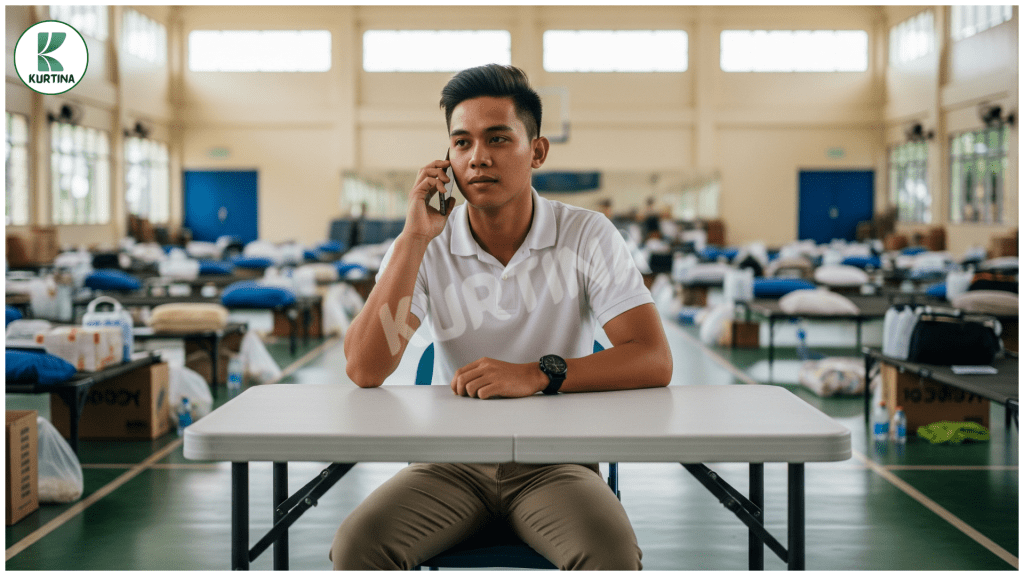
- Inform your emergency contacts once you’re safe.
- Take note of your current location if you’re taken to an evacuation center.
After the Flood: Returning and Recovering Safely
When it’s finally safe to return, do it carefully.
1. Check First
- Wait for clearance from your barangay or LGU before going back.
- Inspect the building from outside—watch for damage, unstable walls, or hanging wires.
2. Clean Safely
- Wear gloves and boots when cleaning up flood-damaged items.
- Disinfect surfaces touched by floodwater (use bleach if available).
- Boil water for drinking or use bottled water until supplies are confirmed safe.
3. Take Photos for Documentation
- Snap pictures of damaged belongings and areas—this can help with insurance or landlord reporting.
4. Talk to Your Landlord

- Report damages and check what repairs or support they can offer.
- If the unit becomes unsafe or unlivable, discuss possible relocation or rental adjustments.
Bonus: Quick Tips for Landlords and Property Managers
If you’re managing a rental property, here’s how you can support your tenants:
- Share evacuation info early via group chat or text
- Keep exits clear and emergency lights working
- Designate a dry storage space for valuables
- Create a flood action plan with tenants
With KURTINA, you can keep tenants informed through in-app announcements and manage maintenance requests more easily after disasters.
Final Thoughts
Flooding isn’t always predictable, but your response can be. By preparing early, staying calm, and moving smart, you reduce risk for yourself and others around you.
Living in a rented space doesn’t mean you’re helpless during emergencies. You just need the right tools and a little teamwork.
And with KURTINA by your side, managing safety and communication during typhoon season becomes a little less stressful.
Stay safe, stay dry, and let’s weather the storm together.
Need to track tenant updates, maintenance issues, or property concerns after a flood?
👉 Download the KURTINA app now for easier rental management before, during, and after emergencies.
 KURTINA PH
Leave a comment