
Renting your first apartment or boarding house?
Whether you’re a student starting the school year or a young professional moving out for your first job, this milestone is both exciting and a little nerve-wracking.
New freedom, new routines… and a lot of things you didn’t know you needed to know!
At KURTINA, we’re here to help make your rental journey as smooth and stress-free as possible.
So before you sign that lease or lug your things upstairs, check out these 5 renter-smart tips that every beginner should know — from budgeting like a pro to protecting your space (and your stuff!).
1. Know What’s Included, And What’s Not
Before you say yes to any unit, clarify what’s covered by your rent and what will be your responsibility.
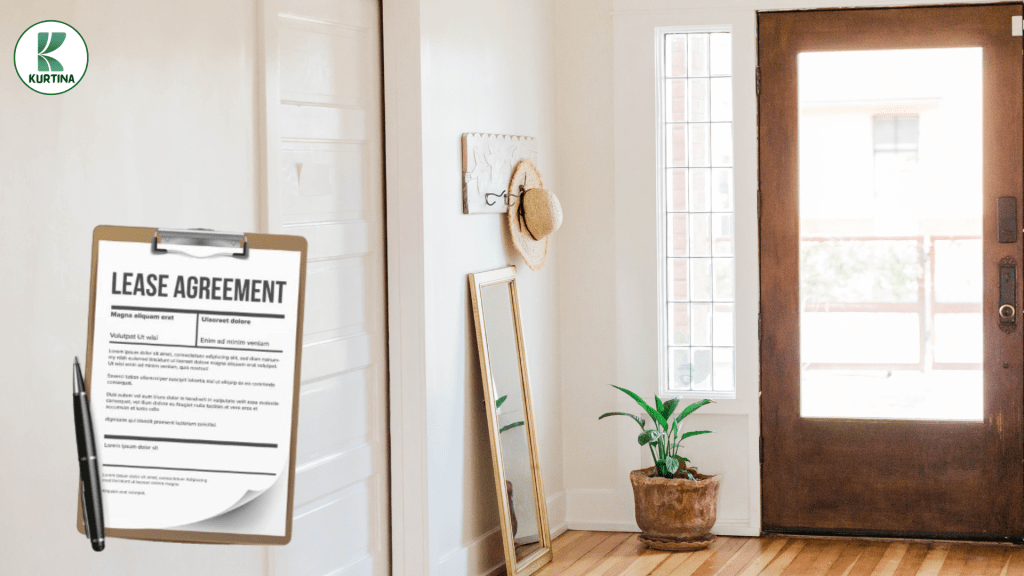
Ask your landlord or boarding house manager:
- Is water included in the rent?
- Are electricity and internet paid separately?
- Who handles repairs (like busted lights, leaky pipes)?
- Is there a curfew or visitor policy?
Pro tip: Always read your lease agreement carefully. If there’s anything unclear, ask questions or request a walk-through. Knowing the rules and expectations saves you from misunderstandings down the line.
Helpful Hint: Store digital copies of your lease, receipts, and utility bills in your phone or a cloud drive (like Google Drive or Dropbox) so you can access them anytime — especially when issues come up.
2. Inspect and Document Before You Unpack
You’ve found your spot—congrats! 🎉 But before you start decorating or moving your things in, do a full inspection of the place.

Check for:
- Existing damage (peeling paint, broken tiles, water stains)
- Working outlets, light switches, locks, and faucets
- Cleanliness and general condition
Take photos or videos of anything that’s damaged and send it to your landlord before move-in. This protects you from being blamed (or charged) for something you didn’t cause when it’s time to move out.
You can also create a simple move-in checklist to document the condition of the room or unit.
Why it matters: Some landlords deduct from your deposit for damages, even if they were there before you. Documentation = protection.
3. Get Renter’s Insurance (Yes, It Exists in the PH!)
This is one thing many Filipino renters overlook: renter’s insurance. It protects your personal belongings in case of fire, theft, flooding, or accidents in your unit.
In the Philippines, basic renter’s insurance can cost as low as ₱500 to ₱1,200 per year (that’s around ₱50 to ₱100/month). Check for providers that offer affordable options tailored to renters.
What it usually covers:
- Electronics (phones, laptops, appliances)
- Clothes and furniture
- Emergency lodging if your rental becomes unlivable
KURTINA Reminder: Ask your landlord if the building has fire or calamity insurance, and supplement it with your own renter’s policy for peace of mind.
4. Get to Know Your Neighborhood (and Neighbors!)
Renting isn’t just about the four walls. It’s about where you live and who lives around you.

Introduce yourself to your neighbors!
They can:
- Tell you about nearby laundry shops, sari-sari stores, or cheap eats
- Warn you about security concerns or noise issues
- Become your go-to help when you’re locked out or need a charger at 1 AM
Also, explore local Facebook groups (such as KURTINA’s Iloilo Boarding House Rental Haven FB Group!), barangay pages, or student boards.
You’ll find info on:
- Water supply schedules
- Transportation options (jeep routes, tricycles, e-bikes)
- Secondhand furniture or appliance deals
Bonus Tip: Some communities post alerts about apartment scams or problematic landlords—so always stay connected and informed.
5. Budget for “Hidden” Costs of Living
Think rent is your only expense? Not quite! A lot of newbies get caught off guard by extra costs in the first month.

Here’s a quick list of things to budget for:
- Security deposit (usually 1–2 months’ rent)
- Advance rent (1 month)
- Utility connection fees, if applicable (electricity, water, internet)
- Starter items (kalan, electric fan, rice cooker, linens, etc.)
- Cleaning supplies & tools (don’t underestimate the walis tambo!)
Let’s say your monthly rent is ₱4,000. You might need ₱12,000 to ₱15,000 total to cover deposits, essentials, and setup costs.
Suggested Budget Hack: Track your rental expenses in a simple spreadsheet or budgeting app. You’ll thank yourself later when bills start rolling in.
Final Thoughts: Renting Shouldn’t Be Overwhelming

Moving out on your own is a big step, but it doesn’t have to be scary.
With the right prep and the right tools (wink wink), you can avoid rookie mistakes, stay on budget, and enjoy the independence you’ve earned.
Whether you’re renting a solo pad near your university or a shared apartment close to your office, KURTINA is here to help. From contract templates to maintenance reminders and digital reports, we’re making renting easier for landlords and tenants alike.
New to renting? Download the KURTINA app and find rental living spaces within your preferred location and budget!
Got renter questions? Drop them in the comments; or better yet, join our Facebook community, Iloilo Boarding House Rental Haven, and connect with fellow renters, landlords, and first-timers!
Here’s to your first rental adventure! May it be smart, safe, and stress-free!
— The KURTINA Team
 KURTINA PH
Leave a comment