The holiday season in the Philippines is a time of celebration, family reunions, and get-togethers.
For landlords managing tenants, this festive period can also bring unique challenges, especially with guests coming and going. Setting clear house rules for tenants in the Philippines ensures smooth operations, avoids potential conflicts, and helps maintain a safe and pleasant environment for everyone.
Here are practical house rules and tenant management tips for landlords whose tenants are hosting guests during the holidays:
1. Set Tenant Guest Limits during Holidays

- Why: Overcrowding can lead to noise, security concerns, and wear-and-tear on property.
- Rule: Specify the maximum number of guests each tenant can host at a time.
Example: “Each unit is allowed a maximum of 5 visitors at any given time.” - Mention that larger gatherings require prior landlord approval.
2. Establish Visiting Hours
- Why: Late-night noise can disturb other tenants and neighbors.
- Rule: Allow guests during specific hours, e.g., “Guest visits are permitted from 8:00 AM to 10:00 PM.”
- Emphasize quiet hours, particularly in dormitories or boarding houses with shared spaces.
3. Parking Rules for Rental Properties during the Holidays

- Why: The influx of guests can lead to parking congestion.
- Rule: Inform tenants about designated parking areas and the need to notify the landlord in advance if guests require parking spaces.
- Prohibit double parking or blocking other vehicles.
4. Security and Registration of Guests
- Why: Keeping track of visitors enhances security for everyone in the property.
- Rule: Require tenants to inform management of expected guests and provide basic details like names and visiting dates.
- For gated communities, guests should register with the guard or building administrator upon arrival to ensure tenant accountability for guests.
5. Noise Control in Rental Properties

- Why: Celebrations can get noisy, affecting other tenants.
- Rule: Prohibit loud music, karaoke, and excessive noise, especially during quiet hours (e.g., 10:00 PM–6:00 AM).
- Encourage guests to respect common spaces and avoid shouting or loud conversations.
6. Use of Common Areas
- Why: Shared spaces can get crowded and messy during gatherings.
- Rule: Limit gatherings in common areas, such as rooftops or shared lounges, unless pre-approved.
- Require tenants to clean up after using shared facilities to avoid complaints from others.
7. Alcohol Consumption and Smoking

- Why: Alcohol and smoking can lead to accidents or disputes.
- Rule: Clearly state where, when, or if alcohol and smoking are allowed.
Example: “Smoking is strictly prohibited indoors or in common areas.” - Landlords can ban alcohol consumption during visits in sensitive settings like boarding houses.
8. Trash Disposal and Cleanliness
- Why: Improper disposal of waste can attract pests and cause foul odors.
- Rule: Require tenants to properly dispose of party waste immediately.
- Specify the segregation rules (e.g., biodegradable and non-biodegradable) and the schedule for garbage collection.
9. Guest Responsibilities

- Why: Tenants should remain accountable for their guests’ behavior.
- Rule: Inform tenants that they are liable for any damages, disturbances, or violations caused by their visitors.
10. Temporary Guest Stays
- Why: Extended stays without permission can resemble subletting, which may violate the lease agreement.
- Rule: Limit overnight stays to a specific number of nights (e.g., 2–3 nights) and require prior landlord approval.
- Clarify that long-term stays are not allowed without written consent.
Tips for Landlords: How to Communicate These Rules Effectively
- Include Rules in Lease Agreements
- Attach a specific section on holiday-related guest rules to avoid disputes.
- Send a Friendly Reminder
- A week before Christmas or New Year, send a digital or physical notice summarizing the rules.
- Post Rules in Common Areas
- Display the guidelines in visible locations, such as lobbies or elevators.
- Be Approachable
- Let tenants know they can consult you for clarifications or special requests.
Why These Rules Are Beneficial
- For Landlords: Protects property value, ensures smooth operations, and minimizes complaints.
- For Tenants: Promotes safety, security, and a peaceful living environment.
How KURTINA Simplifies Tenant Management During the Holidays
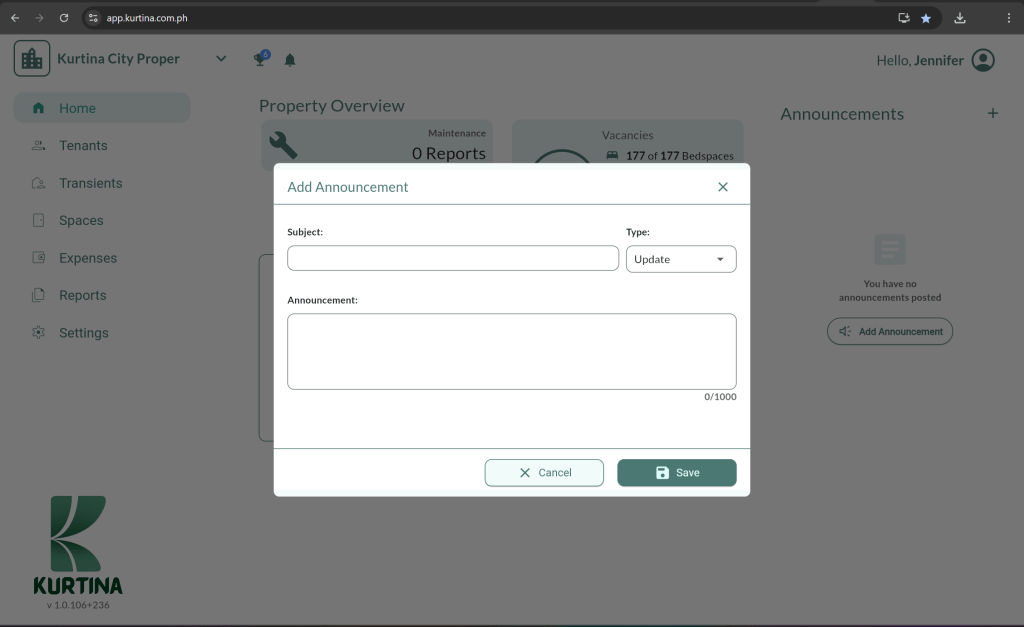
Managing tenant relationships and enforcing house rules is stress-free with tools like KURTINA tenant management app. Here’s how KURTINA can help:
- Automated Reminders: Send rule reminders to tenants with just a few clicks.
- Maintenance Requests: Address any holiday-related property concerns promptly.
- Centralized Communication: Keep all tenant communications organized for easy reference.
This holiday season, ensure a harmonious environment for tenants and their guests. By setting clear and reasonable rental property rules for tenants during the holidays, you can prevent unnecessary stress and focus on enjoying the festivities!
Want to make tenant management and holiday guest policies for rentals even more stress-free? Try KURTINA today!
 KURTINA PH
Leave a comment