
Fire Prevention Month serves as an annual reminder to prioritize the safety of our homes and families by taking proactive measures against the potential devastation caused by fires.
In 2022 alone, over 13,000 fire incidents were reported in the Philippines, emphasizing the urgent need for increased awareness and preventive actions.
Here are 10 tips to ensure fire safety in your homes, including installing smoke detectors and securely storing flammable liquids.
Install Smoke Alarms
Smoke alarms are crucial for early fire detection. Place them in every room, particularly the kitchen, bedroom, and living room.
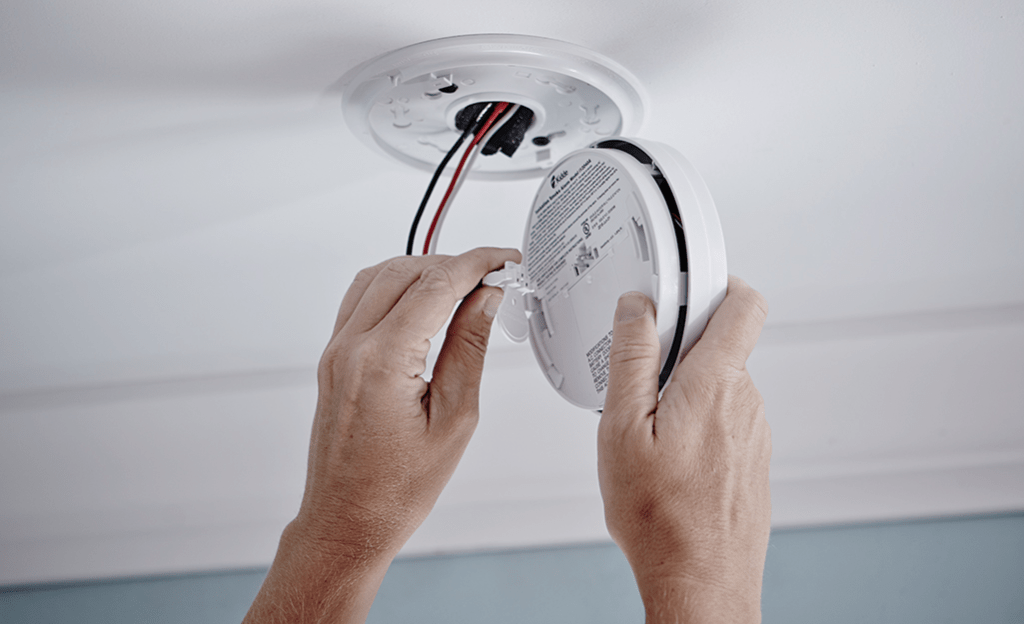
Smoke alarms offer a critical advantage by providing valuable time to evacuate the premises before a fire can escalate to life-threatening proportions. Regular testing of these alarms ensures their functionality, serving as an ongoing assurance of your home’s safety.
Inspect Electrical Wiring
Regularly check electrical wiring and appliances for any signs of damage, such as fraying or loose connections.

Overloading outlets and using multiple high-wattage appliances simultaneously can strain electrical systems, increasing the risk of electrical fires. By adopting responsible habits in the use of electrical appliances, homeowners can significantly reduce the likelihood of fire incidents.
Practice Safe Cooking Habits
Cooking-related incidents are a leading cause of residential fires.

Keep flammable items away from the stove, turn off appliances when not in use, and, crucially, never leave the kitchen unattended while cooking. These simple yet effective measures can go a long way in preventing kitchen fires, which can quickly escalate into larger, more destructive events.
Use Fire Extinguishers
Have fire extinguishers readily accessible in key areas like the kitchen, bedroom, and living room.
These should be strategically placed in key areas such as the kitchen, bedroom, and living room. Equally important is ensuring that all household members are familiar with the operation of fire extinguishers, enabling them to act swiftly and effectively in case of an emergency.
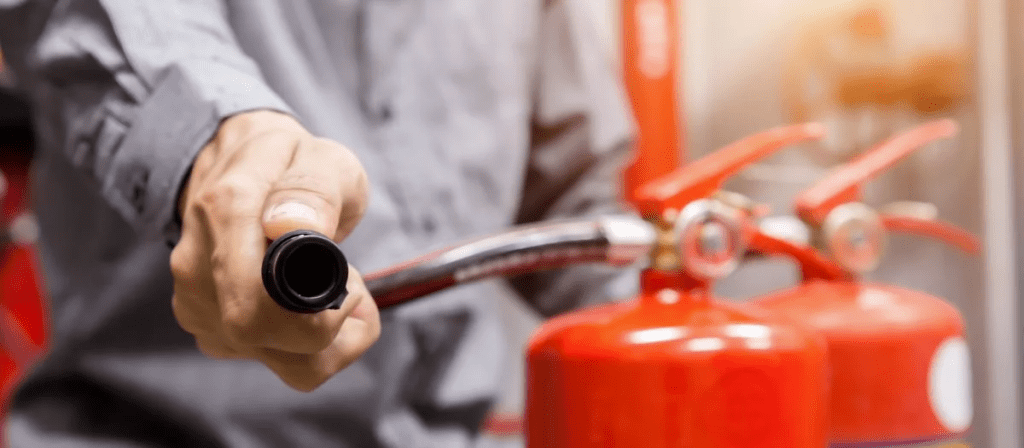
Regular checks of the extinguishers’ condition and expiration dates should also be part of the household routine.
Develop an Evacuation Plan
Establish a clear evacuation plan in case of a fire. Identify exit routes and practice evacuation drills regularly, ensuring everyone can escape within minutes.
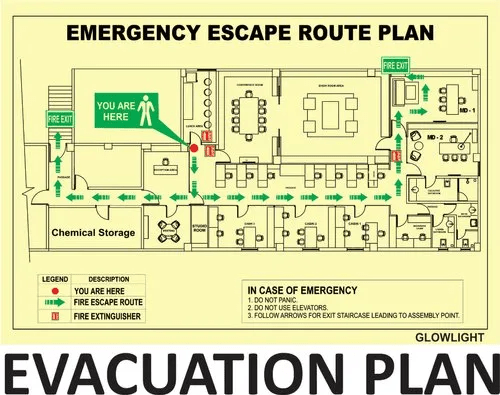
Families should work together to identify clear exit routes and practice evacuation drills regularly. These drills not only enhance preparedness but also ensure that everyone can escape within minutes, a critical factor when faced with the rapid spread of a fire.
No Smoking Indoors
Smoking indoors poses significant fire risks.

Designating smoking areas outside, away from flammable materials, can significantly reduce the likelihood of accidental fires. Properly extinguishing cigarettes and disposing of them safely further mitigates the risk associated with indoor smoking.
Secure Flammable Liquids
The safe storage of flammable liquids cannot be overstated. Gasoline, kerosene, and other combustible substances should be stored in well-ventilated areas, away from heat sources and open flames.

This precautionary measure minimizes the risk of accidental ignition and helps contain the potential impact of a fire.
Educate Children on Fire Safety
Teach children about fire safety measures and the dangers of playing with matches or lighters from a young age.

Teaching them about the dangers of playing with matches or lighters and instilling proper fire safety measures can significantly reduce the risk of accidents within the home.
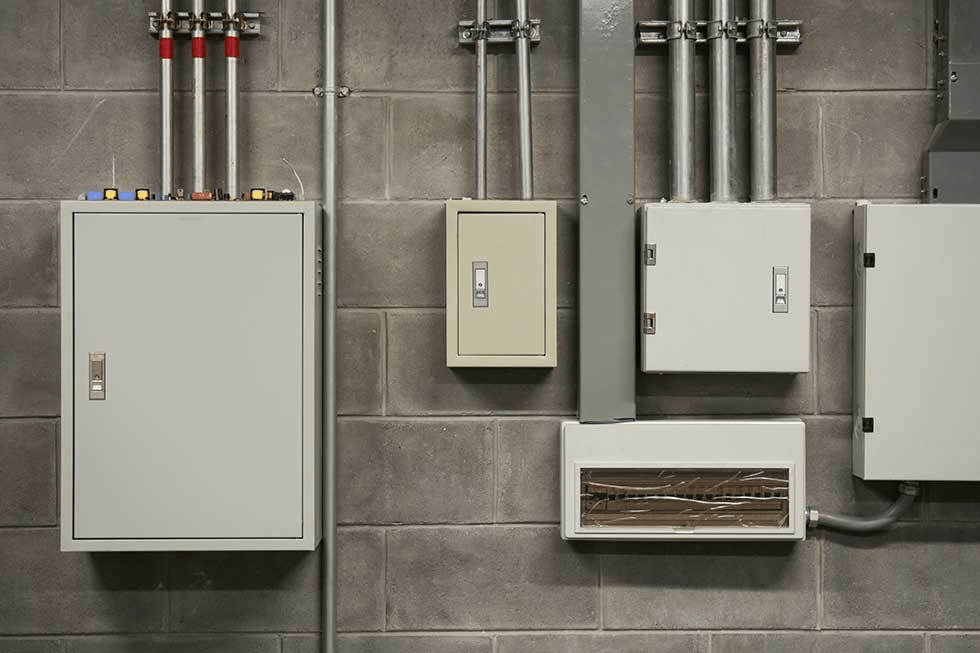
Maintain Clear Space Around Electrical Panels
Maintaining a clear space around electrical panels, with a minimum three-foot clearance and no clutter, is essential to prevent potential fire hazards stemming from electrical malfunctions.
Never Leave Candles Unattended
While candles create ambiance, they can also pose fire hazards.

Keeping candles away from flammable materials and avoiding leaving them burning when no one is present can prevent unnecessary fire incidents.
In conclusion, fire safety should be a daily priority for every household.
By diligently implementing these 10 tips and remaining vigilant, individuals can significantly reduce the risk of residential fires, ensuring the safety and well-being of their homes and loved ones.
Taking proactive steps to understand and mitigate fire risks is an investment in the security and stability of our homes, offering peace of mind and a foundation for a safer future.
 KURTINA PH
Leave a comment