
Renting a property comes with its own set of challenges and responsibilities. Tenants need to be informed and proactive to ensure a smooth and harmonious relationship with their landlords.
By following best practices and tips, tenants can protect their rights and maintain a positive living environment. In this article, we will explore eleven key guidelines for tenants, covering everything from communication with landlords to understanding legal protections.
Document All Communications with Your Landlord in Writing
Clear communication is crucial for a healthy landlord-tenant relationship. To avoid misunderstandings, it is advisable to document all communications with your landlord in writing.
Whether it’s a request for repairs, a discussion about lease terms, or any other matter related to your tenancy, having a written record can serve as evidence in case of disputes.

Do Not Withhold Rent if the Landlord is Not Making Repairs
While it can be frustrating when repairs are not promptly addressed, withholding rent is not the solution. In many jurisdictions, this can lead to legal consequences for tenants.
Instead, follow proper procedures to report maintenance issues, such as submitting written requests. If the landlord fails to address concerns, tenants may explore legal options or seek guidance from local housing authorities.
Document the Condition of Your Unit When You Move In and Move Out
Protect your security deposit by thoroughly documenting the condition of your rental unit when you move in and move out.
Take photographs, make notes, and ensure that both you and the landlord sign off on the documentation. This will help avoid disputes over damages and ensure a fair return of your security deposit.
Protect Yourself by Verifying When You Move Out of a Unit
To avoid future disputes over unpaid rent or damages, take steps to verify your move-out date. Submit a written notice to your landlord and request a final walkthrough of the property.

This can help resolve any potential disagreements about the condition of the unit and the return of your security deposit.
Landlords Can Only Enforce Rules Written in the Lease
Landlords can only enforce rules that are explicitly stated in the lease agreement. Familiarize yourself with the terms and conditions of your lease, and be aware of your rights as a tenant.
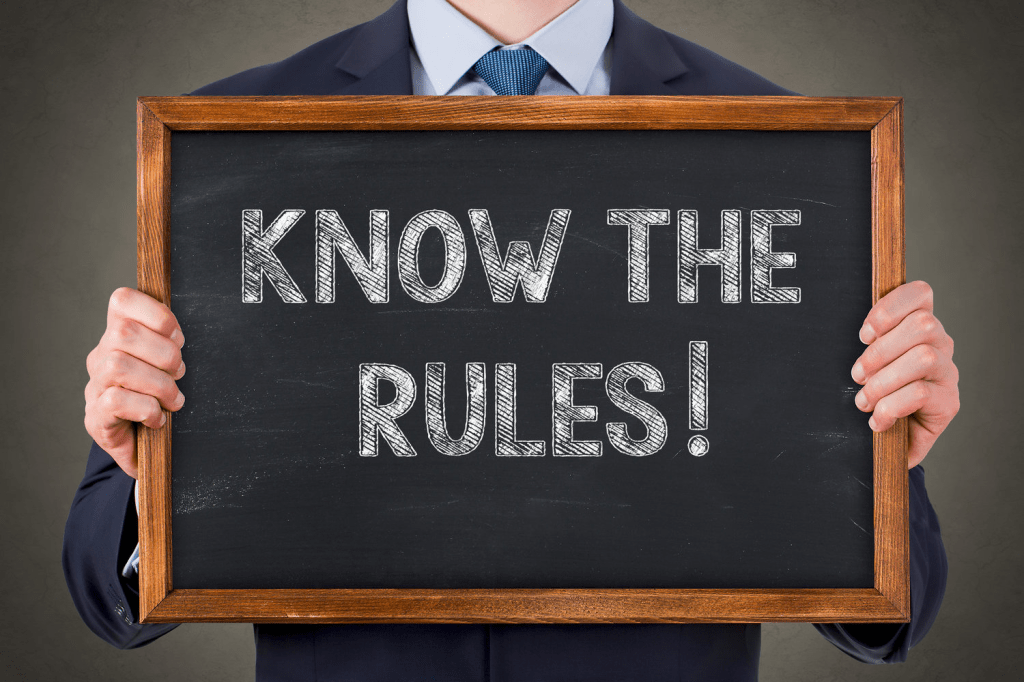
If you encounter any issues, consult your lease agreement to understand the agreed-upon terms before taking any action.
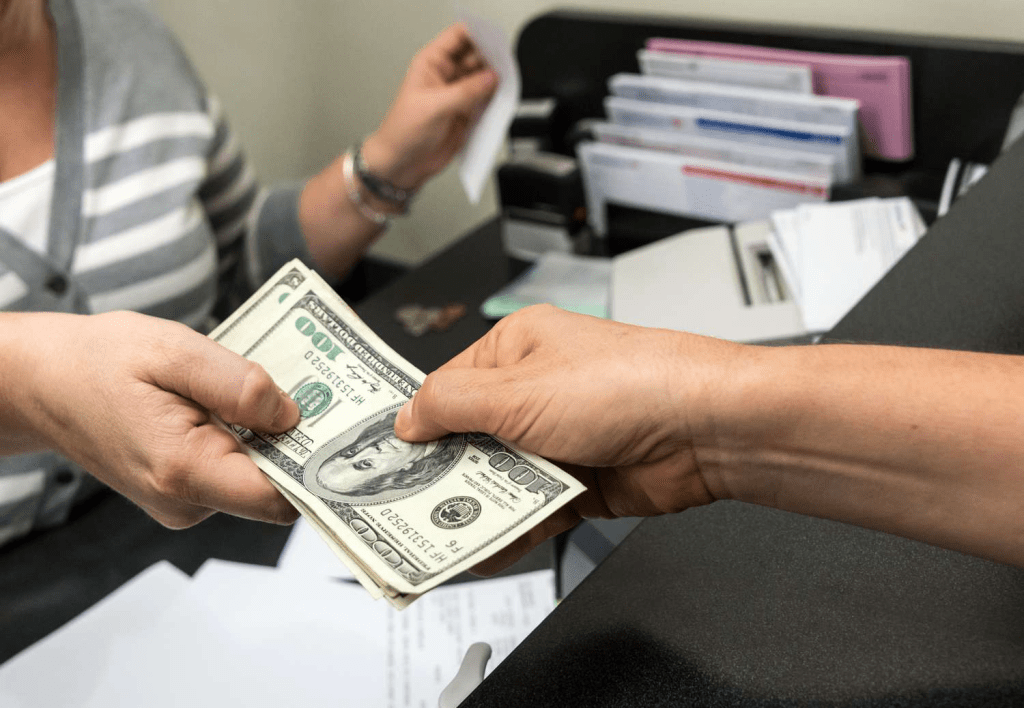
Prioritize Paying Rent above Other Expenses
Paying rent on time is crucial to maintaining a positive relationship with your landlord and ensuring the stability of your housing situation.
Prioritize rent payments above other expenses to avoid late fees, legal consequences, and potential eviction.
Tell Your Story to Improve Tenants’ Rights in Your Community!
Sharing your experiences and advocating for tenants’ rights can contribute to positive changes in your community.
Join tenant organizations, participate in community meetings, and share your story to raise awareness about the challenges faced by renters.
Collective efforts can lead to improved tenant protections and a more equitable rental landscape.
Conclusion:
Being a responsible and informed tenant involves understanding your rights, communicating effectively with your landlord, and navigating the complexities of rental agreements.
By following these best practices and tips, tenants can foster a positive living environment, protect their interests, and contribute to the broader improvement of tenants’ rights in their communities.
 KURTINA PH
Leave a comment